
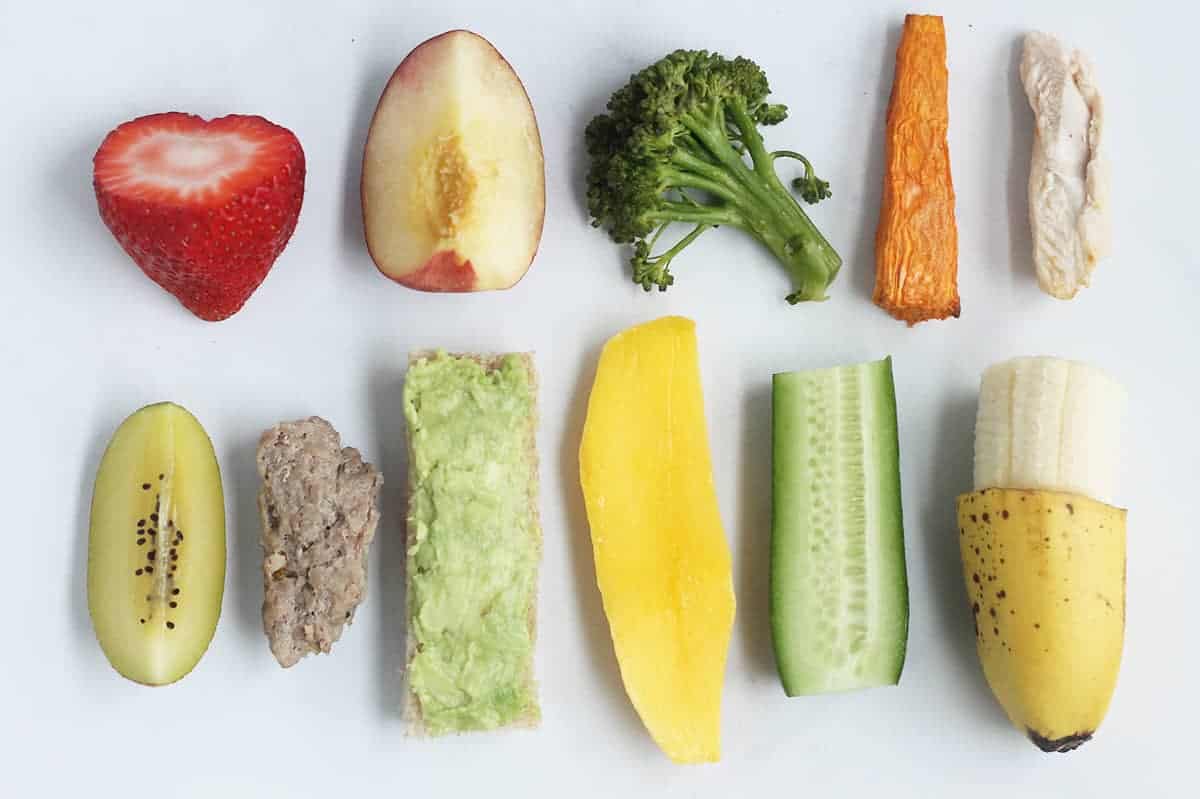
Baby Led Weaning Guide for First Foods reshapes how infants transition from milk to solid nutrition by prioritizing self-feeding, texture exposure, and motor development from the beginning. Rather than spoon-feeding purées, caregivers present soft, graspable foods that allow babies to explore taste, chewing, and swallowing independently, aligning feeding with natural developmental milestones.
Foundations of Baby Led Weaning
Baby-led weaning rests on developmental readiness, food safety, and nutrient density.
Infants typically show readiness between six months when they can sit upright with minimal support, bring objects to their mouth, and coordinate chewing motions. The World Health Organization complementary feeding guidelines emphasize introducing solid foods around this period while continuing breast milk or formula as primary nutrition.
Motor skill development plays a central role. Grasping, chewing, and swallowing build oral strength and hand coordination simultaneously. Research summarized by the American Academy of Pediatrics infant nutrition overview shows early texture exposure reduces later feeding resistance.
Core principles:
- Offer real foods in soft, stick-shaped portions
- Let the baby control intake
- Eat together to model chewing
- Avoid distractions and pressure
This framework develops appetite regulation and long-term food acceptance.
Nutritional Priorities for Early Solids
Iron and Energy Density
At six months, infant iron stores decline. Iron-rich foods must anchor early meals.
Effective options include:
- Soft beef strips
- Shredded chicken
- Lentil patties
- Steamed spinach mixed into omelets
The Centers for Disease Control iron nutrition guidance outlines iron as a primary early nutrient for cognitive development.
Pair iron foods with vitamin C sources such as mango, tomato, or orange segments to enhance absorption.
Healthy Fats for Brain Development
Fat supports rapid neurological growth.
Prioritize:
- Avocado slices
- Yogurt full-fat
- Nut butters thinned with warm water
- Salmon flakes
The Harvard T.H. Chan School of Public Health fat recommendations highlight unsaturated fats as essential for early brain structure.
Texture Progression
Begin with soft foods that mash between fingers. Progress toward firmer textures within weeks.
Texture exposure builds chewing skill and reduces picky eating risk, a relationship detailed in feeding research compiled by the National Health Service infant weaning resource.
Baby Led Weaning Guide for First Foods Subheading

This stage focuses on practical food selection and presentation.
Safe First Foods That Promote Independence
Cut foods into thick finger-length pieces for palmar grasping.
Effective starters:
- Steamed carrot batons
- Ripe banana halves with peel grip
- Avocado wedges rolled in ground seeds
- Soft pear slices
The Solid Starts food database provides evidence-based preparation methods by age and texture.
Foods to Delay or Modify
Avoid:
- Whole nuts
- Hard raw vegetables
- Grapes without slicing
- Popcorn
- Sticky spoonfuls of nut butter
The CDC choking hazard list outlines high-risk foods requiring modification.
Cook foods until soft, slice round items lengthwise, and spread thick textures thin.
Portion Logic
Serve one to two pieces at a time to avoid overwhelm. Refill based on cues.
Focus on exploration over consumption during early weeks.
Safety Structure Without Fear-Based Feeding
Gagging Versus Choking
Gagging is normal and protective. It sounds dramatic but keeps food forward.
Choking is silent and obstructive.
Babies gag frequently while learning textures. This declines as oral control improves.
The NHS gagging explanation differentiates normal responses from emergencies.
Eating Environment Rules
- Upright seated posture
- Feet supported
- Calm environment
- No lying down feeding
This alignment protects airway mechanics.
Emergency Preparedness
Caregivers should understand infant first aid.
Training resources such as the Red Cross infant CPR guide reinforce response competence.
Preparedness removes fear and enables relaxed feeding.
Building Balanced Baby Led Weaning Guide

Simple Plate Structure
Each meal should include:
- Iron source
- Produce
- Fat or carbohydrate
Example plates:
- Shredded beef + roasted sweet potato + avocado
- Lentil patties + cucumber spears + yogurt
- Scrambled egg + tomato wedges + toast fingers
This ensures macro and micronutrient coverage.
Flavor Exposure Strategy
Expose babies to herbs, spices, and varied cuisines early.
Use:
- Cinnamon on apples
- Turmeric in lentils
- Garlic in vegetables
Avoid added salt and sugar.
The American Heart Association sodium guidance explains kidney immaturity in infants.
Repetition Builds Acceptance
Babies often need 10–15 exposures before liking a food.
Offer disliked foods regularly without pressure.
Neural familiarity drives preference.
Managing Mess Without Disrupting Learning
Mess equals sensory learning.
Touching, squishing, and dropping foods teach texture, temperature, and gravity.
Control chaos with:
- Large splat mats
- Short sleeves
- Silicone bibs
Do not wipe hands during meals. Let exploration continue.
Post-meal cleaning ends the sensory cycle cleanly.
Common Challenges and Corrections
Low Intake Anxiety
Early solid consumption remains small.
Milk remains primary nutrition until one year.
Trust appetite regulation.
Growth tracking matters more than meal volume.
Food Throwing
Throwing equals exploration of cause and effect.
Respond neutrally.
Offer fewer pieces at once.
End meals calmly when throwing becomes repetitive.
Gagging Fear Spiral
Stay composed.
Babies read facial cues.
Calm presence builds confidence.
Long-Term Benefits Documented in Research
Studies link baby-led feeding to:
- Lower obesity risk
- Better appetite self-regulation
- Broader food acceptance
- Reduced mealtime conflict
A summary of feeding autonomy outcomes appears in pediatric nutrition research cited by the National Institutes of Health feeding behavior review.
Independence at the table mirrors motor and emotional autonomy elsewhere.
Transitioning Beyond the First Months
By eight to nine months:
- Introduce mixed textures
- Offer bite-sized pieces for pincer grasp
- Encourage spoon self-feeding with thick foods
By twelve months:
- Baby eats family foods with minimal modification
- Milk shifts from primary to complementary nutrition
This progression builds full dietary integration.
Sample One Week Starter Plan
Day One
Avocado wedges, steamed carrot sticks, shredded chicken
Day Two
Banana halves, scrambled egg strips, soft toast fingers
Day Three
Lentil patties, cucumber spears, yogurt
Day Four
Roasted sweet potato wedges, salmon flakes, pear slices
Day Five
Omelet strips with spinach, tomato wedges, mango chunks
Day Six
Beef strips, broccoli florets, quinoa clumps
Day Seven
Pancake strips with nut butter smear, berries, cottage cheese
Rotation increases nutrient diversity.
Core Takeaways
Baby-led feeding aligns nutrition with developmental biology.
Control shifts from caregiver to child.
Texture exposure prevents later resistance.
Iron and fat anchor early meals.
Safety comes from preparation, not restriction.
Mess enables mastery.
Independence builds lifelong healthy eating patterns.
Baby Led Weaning Guide for First Foods functions not as a trend but as a biologically consistent feeding model grounded in motor development, nutrition science, and behavioral learning.