
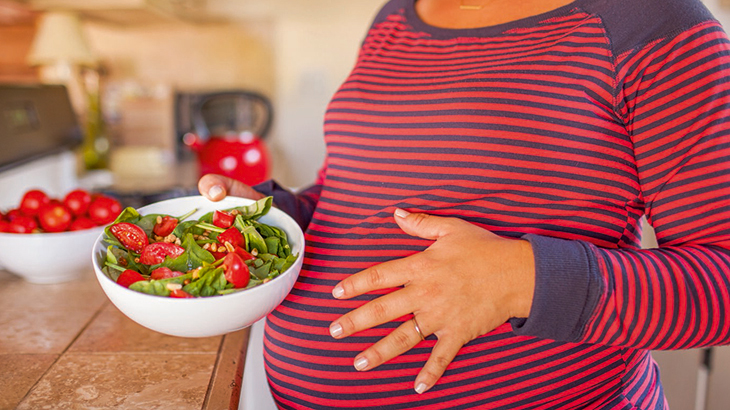
Pregnancy Diet Plan for Healthy Baby Growth defines the nutritional structure required to support fetal development, maternal tissue expansion, hormonal regulation, and metabolic adaptation throughout gestation. Physiological demands increase across trimesters, requiring calibrated macronutrient distribution, micronutrient sufficiency, hydration control, and elimination of dietary risks. Nutritional precision reduces complications, supports placental function, stabilizes maternal energy, and improves neonatal outcomes.
Core Nutrition Framework for Pregnancy
Energy intake must align with trimester progression. First trimester caloric demand remains near baseline. Second trimester requires moderate increase. Third trimester requires higher caloric density to support accelerated fetal growth. According to the World Health Organization, a balanced diet includes diverse whole foods providing adequate carbohydrates, protein, fats, vitamins, and minerals.
Macronutrient Distribution
Carbohydrates supply primary energy. Prefer complex sources such as whole grains, legumes, vegetables, and fruits. These stabilize glucose and reduce risk of gestational diabetes. Protein demand rises to support fetal tissue synthesis, placental growth, and maternal blood expansion. Lean meat, poultry, eggs, dairy, legumes, tofu, and nuts provide complete or complementary amino acids. Healthy fats regulate fetal brain and retinal development; sources include fatty fish, seeds, nuts, olive oil, and avocado.
The Centers for Disease Control and Prevention emphasizes nutrient-dense foods over calorie-dense processed products to avoid excessive gestational weight gain.
Micronutrient Priorities
Folate prevents neural tube defects. Adequate intake before conception and during early pregnancy is critical. The National Institutes of Health Office of Dietary Supplements details recommended folate intake levels and food sources including leafy greens, beans, citrus, and fortified grains.
Iron supports increased blood volume and oxygen transport. Iron deficiency anemia elevates preterm birth risk. Red meat, lentils, spinach, and fortified cereals provide iron; vitamin C improves absorption.
Calcium supports fetal skeletal development while preserving maternal bone density. Dairy, fortified plant milks, tofu, almonds, and leafy greens contribute calcium. The National Health Service outlines daily calcium requirements during pregnancy.
Iodine regulates thyroid hormone production necessary for fetal neurodevelopment. Dairy, seafood, and iodized salt supply iodine. The American Thyroid Association explains iodine’s role in maternal thyroid health.
Vitamin D assists calcium absorption and immune regulation. Fatty fish, fortified milk, and sunlight exposure contribute. The Office of Dietary Supplements describes vitamin D functions and intake recommendations.
Choline supports brain and spinal cord development. Eggs are a primary source. The National Institutes of Health explains choline’s neurodevelopmental importance.
Trimester Based Nutritional Strategy
First Trimester
Early gestation prioritizes folate, vitamin B6, and manageable energy intake due to nausea and appetite fluctuations. Small frequent meals stabilize blood glucose. Bland complex carbohydrates mitigate nausea. Hydration remains essential; electrolyte balance prevents fatigue.
Protein intake begins increasing gradually. Avoidance of foodborne pathogens is critical. The Food and Drug Administration details high-risk foods including raw seafood, unpasteurized dairy, and undercooked meat.
Second Trimester
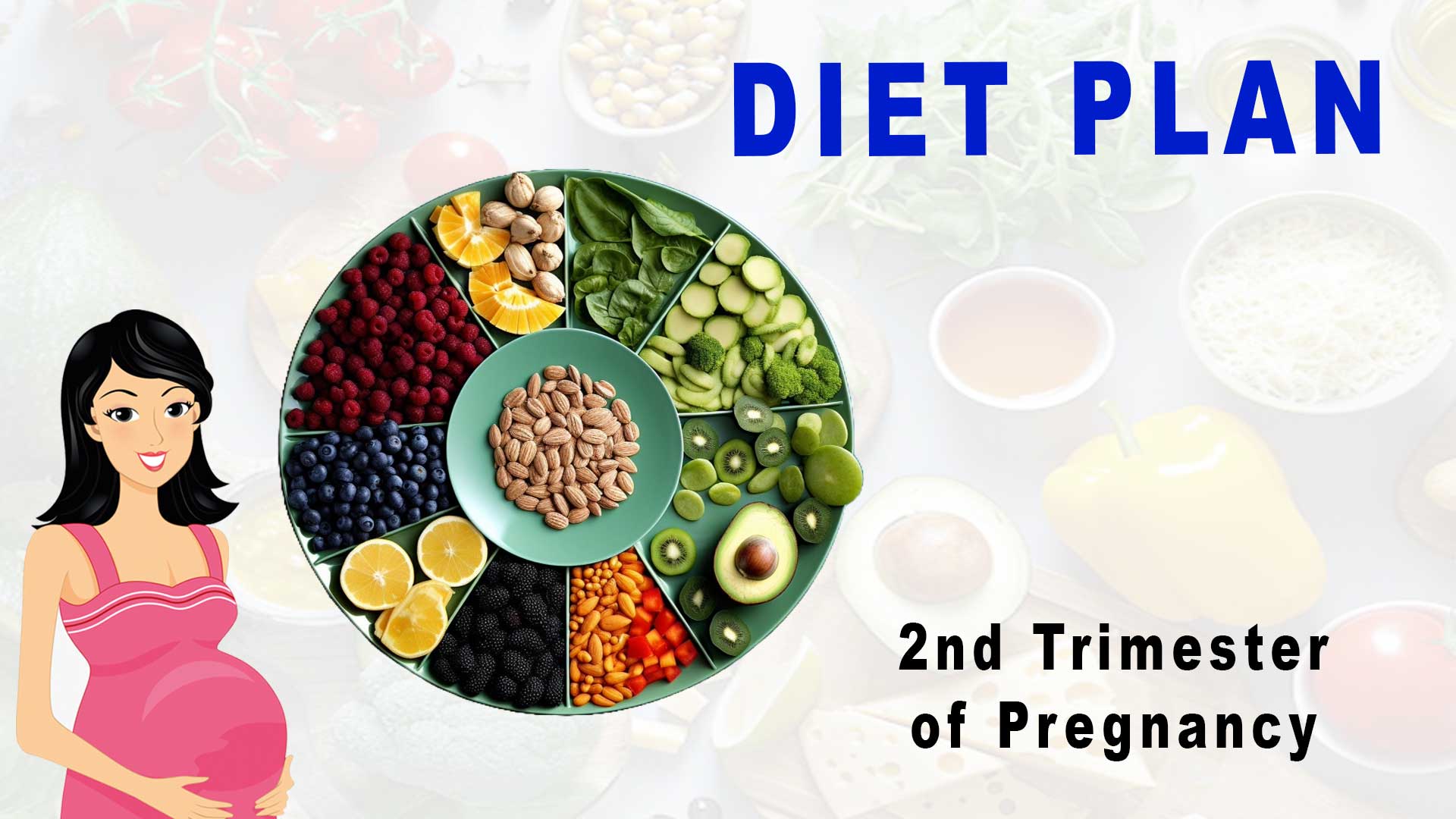
Appetite stabilizes. Energy intake increases moderately. Iron requirement rises significantly due to expanding blood volume. Fiber intake prevents constipation caused by progesterone-mediated intestinal slowing. Whole grains, fruits, vegetables, and legumes supply soluble and insoluble fiber.
Omega three fatty acids become critical for fetal brain development. The American College of Obstetricians and Gynecologists advises consumption of low-mercury fish such as salmon and sardines while limiting high-mercury species.
Third Trimester
Rapid fetal weight gain increases caloric demand. Protein intake becomes central. Edema and heartburn may appear; smaller meals reduce gastric pressure. Sodium moderation prevents excessive fluid retention without eliminating necessary electrolytes.
Magnesium supports muscle relaxation and reduces leg cramps. Nuts, seeds, whole grains, and leafy vegetables supply magnesium.
Pregnancy Diet Plan for Healthy Baby Growth
This section operationalizes the Pregnancy Diet Plan for Healthy Baby Growth into daily structure.
Daily Meal Architecture
Breakfast: complex carbohydrate base, protein component, healthy fat source. Example: oatmeal with chia seeds, Greek yogurt, and berries.
Mid-morning: fruit with nut butter or boiled egg.
Lunch: lean protein, whole grain, mixed vegetables, olive oil dressing.
Afternoon: yogurt, nuts, or hummus with vegetables.
Dinner: protein focus with high-fiber vegetables and moderate whole grains.
Hydration target: water as primary beverage. Limit caffeine to recommended levels; the March of Dimes outlines caffeine intake guidelines during pregnancy.
Protein Targets
Daily protein intake increases progressively. Distribute protein across meals to optimize amino acid availability. Animal and plant sources can be combined for complete amino acid profiles.
Carbohydrate Quality Control
Low glycemic index carbohydrates reduce insulin spikes. This reduces gestational diabetes risk. The American Diabetes Association explains dietary management of gestational diabetes through carbohydrate regulation.
Fat Composition
Prioritize unsaturated fats. Avoid trans fats and limit saturated fats. Include DHA-rich foods; prenatal supplements may include DHA where dietary intake is insufficient.
Foods to Avoid During Pregnancy
Raw fish and shellfish risk bacterial and parasitic infection. High-mercury fish accumulate neurotoxic compounds; the Environmental Protection Agency provides fish safety guidance.
Unpasteurized dairy may contain Listeria. Deli meats require reheating to reduce bacterial risk. Raw eggs risk Salmonella exposure.
Excess vitamin A from retinol-based supplements or liver products can cause fetal malformations. Herbal supplements lack consistent safety validation; consult evidence-based sources before consumption.
Alcohol exposure carries no safe threshold. The Centers for Disease Control and Prevention confirms that alcohol use during pregnancy increases fetal alcohol spectrum disorders risk.
Managing Gestational Weight Gain
Appropriate weight gain varies by pre-pregnancy body mass index. The Institute of Medicine guidelines summarized by the CDC define recommended ranges. Excess gain increases risk of hypertension, cesarean delivery, and postpartum retention. Insufficient gain increases low birth weight risk.
Caloric increases must match trimester demands rather than arbitrary surplus. Physical activity supports metabolic balance; the American College of Obstetricians and Gynecologists confirms moderate exercise safety for uncomplicated pregnancies.
Vegetarian and Vegan Pregnancy Nutrition
Plant-based patterns can satisfy requirements with strategic planning. Protein diversity becomes essential. Combine legumes with grains for amino acid completeness. Monitor vitamin B12, iron, zinc, calcium, iodine, and DHA levels. Fortified foods and supplements compensate for absence of animal sources.
The Academy of Nutrition and Dietetics states well-planned vegetarian diets are appropriate during pregnancy when nutrient needs are met.
Iron absorption from plant sources improves with vitamin C pairing. Soak and ferment legumes to reduce phytate interference.
Managing Common Pregnancy Symptoms Through Diet
Nausea
Frequent small meals stabilize blood sugar. Ginger may reduce nausea severity. Bland carbohydrates reduce gastric irritation.
Constipation
Increase fiber gradually. Hydrate adequately. Physical activity stimulates intestinal motility.
Heartburn
Avoid large meals. Limit acidic, spicy, and fatty foods. Remain upright after eating.
Edema
Moderate sodium without severe restriction. Maintain hydration. Balanced electrolyte intake supports fluid regulation.
Hydration and Electrolyte Stability
Plasma volume expands significantly during pregnancy. Water intake supports amniotic fluid levels, circulation, and temperature regulation. Dehydration increases fatigue and headache frequency. Include potassium-rich foods such as bananas, potatoes, and beans.
Sugary beverages increase empty calories without nutrient benefit. Replace with water, milk, or fortified alternatives.
Supplementation Strategy
Prenatal vitamins compensate for dietary gaps but do not replace whole foods. Folic acid, iron, iodine, vitamin D, and DHA are commonly included. Supplement dosage must align with clinical guidelines. Excess supplementation can produce toxicity.
The World Health Organization recommends iron and folic acid supplementation during pregnancy in populations at risk of deficiency.
Calcium supplementation may reduce risk of hypertensive disorders in low-calcium-intake populations.
Blood Sugar Regulation and Gestational Diabetes Prevention
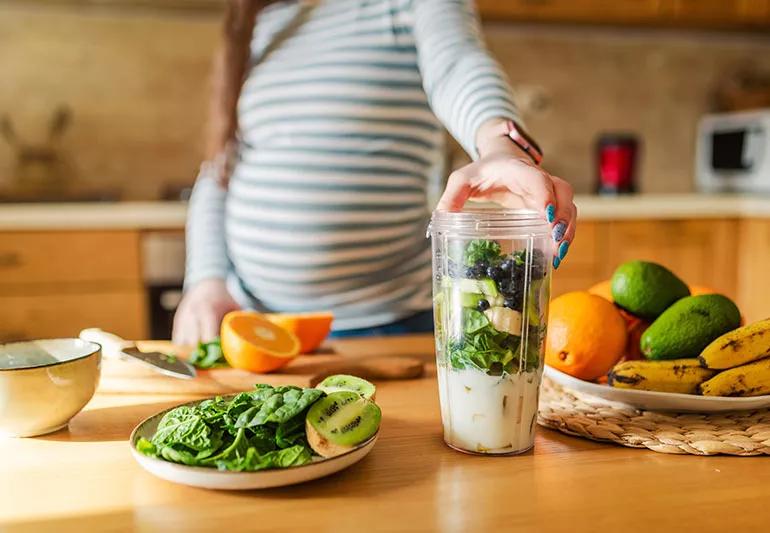
Stable glucose reduces fetal overgrowth and delivery complications. Balanced meals containing fiber, protein, and healthy fats reduce glycemic variability. Limit refined carbohydrates and sugary snacks.
Monitor portion sizes of fruits and starches. Distribute carbohydrates evenly across meals.
The National Institute of Diabetes and Digestive and Kidney Diseases outlines gestational diabetes risk factors and dietary management principles.
Immune Support and Food Safety
Pregnancy alters immune response. Foodborne illness risk increases. Wash produce thoroughly. Cook meat to safe internal temperatures. Avoid cross-contamination between raw and cooked foods.
The United States Department of Agriculture details safe food handling practices for pregnant individuals.
Cultural and Regional Adaptation
Dietary structure adapts to cultural patterns while preserving nutritional adequacy. Traditional cuisines can meet requirements through strategic substitutions. Replace refined grains with whole variants. Use local legumes, seasonal vegetables, and regional protein sources.
Indian dietary patterns often incorporate lentils, dairy, vegetables, and whole grains; emphasis should be placed on iron absorption and protein adequacy. Mediterranean patterns naturally align with pregnancy nutritional needs due to olive oil, fish, legumes, and vegetables.
Sample Seven Day Structured Plan Overview
Day one: oatmeal breakfast, lentil vegetable lunch, grilled salmon dinner.
Day two: whole grain toast with eggs, chickpea salad lunch, tofu stir fry dinner.
Day three: yogurt with seeds breakfast, chicken quinoa bowl lunch, bean vegetable stew dinner.
Day four: smoothie with spinach and nut butter breakfast, turkey whole grain wrap lunch, baked cod with sweet potato dinner.
Day five: cottage cheese and fruit breakfast, lentil soup lunch, grilled chicken with brown rice dinner.
Day six: chia pudding breakfast, tofu vegetable curry lunch, baked salmon with vegetables dinner.
Day seven: scrambled eggs breakfast, quinoa bean salad lunch, lean beef with steamed vegetables dinner.
Snacks rotate between nuts, yogurt, fruit, boiled eggs, hummus, and whole grain crackers.
Long Term Maternal Outcomes
Adequate nutrition reduces risk of postpartum anemia, supports lactation, and accelerates recovery. Nutrient stores depleted during pregnancy must be replenished for breastfeeding demands. Iron, calcium, iodine, and DHA remain critical postpartum.
The La Leche League International explains continued nutritional requirements during lactation.
Fetal Programming and Lifelong Health
Maternal diet influences epigenetic regulation and long-term metabolic outcomes. Excessive sugar exposure increases risk of childhood obesity. Micronutrient deficiencies alter neurodevelopment trajectories.
Research summarized by the Harvard T H Chan School of Public Health describes how maternal dietary patterns shape offspring health markers.
Risk Reduction Through Structured Eating
Structured eating prevents random snacking and nutrient imbalance. Planning weekly meals reduces reliance on processed convenience foods. Grocery lists aligned with nutrient targets maintain consistency.
Avoid elimination diets without medical indication. Balanced diversity ensures micronutrient sufficiency.
Strategic Implementation of Pregnancy Diet Plan for Healthy Baby Growth
Effective execution of Pregnancy Diet Plan for Healthy Baby Growth requires:
Nutrient awareness rather than calorie obsession.
Protein distribution across meals.
Whole food prioritization.
Supplement verification.
Food safety enforcement.
Glucose stabilization.
Hydration monitoring.
Symptom-responsive adjustments.
Cultural adaptability.
Medical oversight for high-risk conditions.
Consistent adherence to these structural principles sustains maternal resilience, optimizes placental efficiency, and supports predictable fetal development without reliance on restrictive trends or unsupported dietary extremes.