
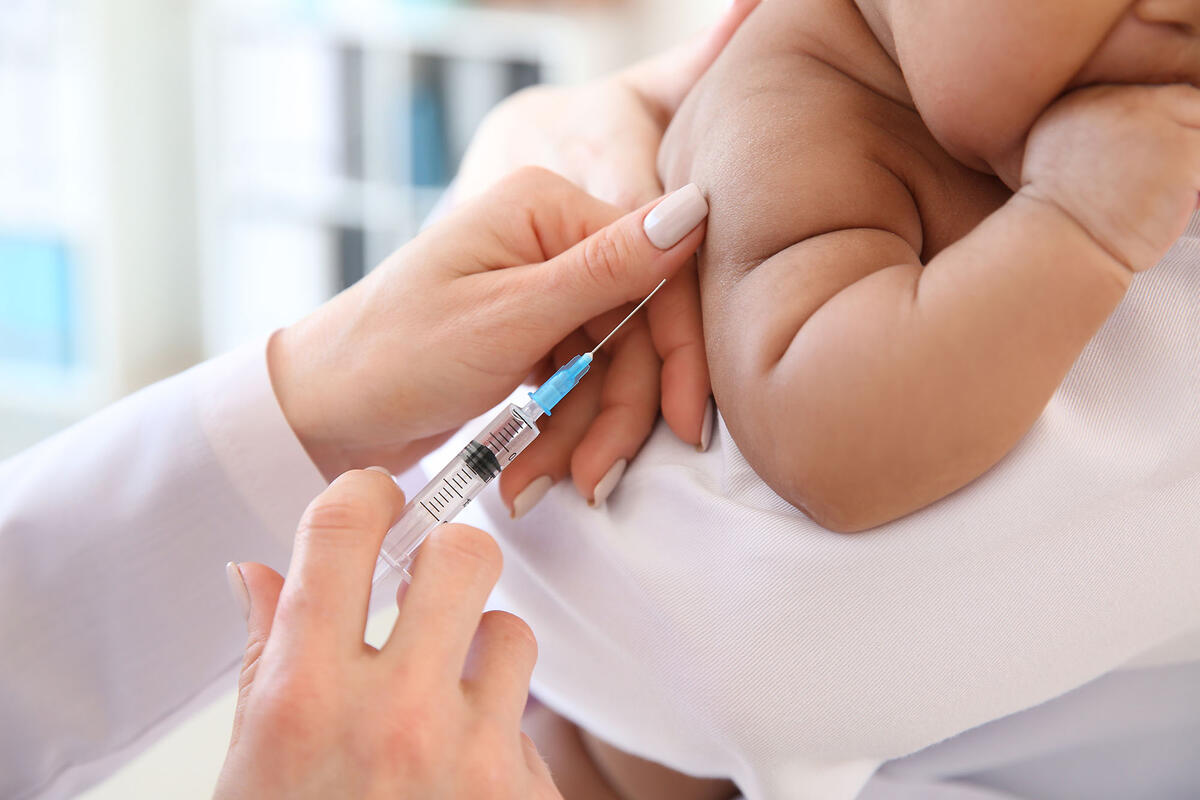
Baby Vaccination Schedule Guide for Parents reflects dominant search patterns around baby immunization schedule, newborn vaccine timeline, infant vaccination chart, first year vaccines for baby, vaccination schedule by age, and mandatory baby vaccines. Immunization is a structured biological intervention designed to prime adaptive immunity before natural pathogen exposure occurs. Timing is not arbitrary. It is calibrated to neonatal immune development, maternal antibody decline, disease prevalence, and epidemiological modeling. Understanding sequence, mechanism, and rationale eliminates confusion generated by fragmented information.
Birth to Two Months Foundation
The neonatal immune system is immature but responsive. Passive antibodies transferred during pregnancy provide partial protection that wanes over weeks. Early vaccination closes vulnerability gaps.
At birth, many national programs administer hepatitis B vaccine. The Centers for Disease Control and Prevention outlines hepatitis B vaccination beginning at birth to prevent perinatal transmission, which can lead to chronic liver disease. Early administration interrupts vertical transmission pathways.
In many countries, Bacillus Calmette Guerin vaccine is given to protect against severe forms of tuberculosis. The World Health Organization explains that BCG reduces risk of disseminated and meningeal tuberculosis in infants.
Between six and eight weeks, combination vaccines are introduced. These often include protection against diphtheria, tetanus, pertussis, Haemophilus influenzae type b, hepatitis B, and polio. The immune system responds through antigen presentation, B cell activation, and antibody production. Multiple antigens in one visit do not overload immunity. Infants encounter far more antigens daily through environmental exposure.
Pneumococcal conjugate vaccine is administered early to prevent invasive disease such as meningitis and sepsis. The American Academy of Pediatrics details pneumococcal vaccination as critical for infants due to immature splenic function and vulnerability to encapsulated bacteria.
Rotavirus vaccine is given orally during early infancy. Rotavirus previously caused significant hospitalization due to severe dehydration. The World Health Organization documents that vaccination substantially reduces severe diarrheal disease burden globally.
Immunological Rationale
Vaccines introduce antigens in attenuated, inactivated, or subunit form. Antigen presenting cells process these proteins and stimulate T helper cells. B cells differentiate into plasma cells producing specific antibodies. Memory cells remain for rapid response upon real exposure.
Spacing doses enhances affinity maturation. Booster doses strengthen immune memory by re exposing the system to antigen, improving antibody quality and durability.
Two to Six Months Primary Series

The primary infant series consolidates immunity. Doses are repeated at regulated intervals. Interval spacing ensures adequate immune stimulation without interference.
Diphtheria, tetanus, and pertussis vaccination is critical due to high morbidity in young infants. Pertussis, in particular, can cause apnea and severe respiratory distress. The Centers for Disease Control and Prevention identifies infants as the highest risk group for complications.
Haemophilus influenzae type b vaccine prevents bacterial meningitis and epiglottitis. Before vaccine introduction, this pathogen was a leading cause of invasive infection in children under five.
Polio vaccination prevents paralytic disease. The Global Polio Eradication Initiative tracks global efforts demonstrating dramatic decline in wild poliovirus cases due to sustained immunization campaigns.
Pneumococcal boosters continue. Rotavirus doses must be completed within defined age windows due to safety data constraints.
Safety Surveillance
Post licensure vaccine safety monitoring is continuous. The Vaccine Adverse Event Reporting System collects data on adverse events to detect rare signals. Large population data sets allow differentiation between coincidence and causation.
Common side effects include low grade fever, localized redness, and mild irritability. Severe reactions are rare. Risk comparison must consider disease severity versus vaccine side effect frequency.
Maternal Antibody Interaction
Maternal antibodies can neutralize some vaccine antigens if administered too early. Schedule timing accounts for this decline. This is why certain vaccines are delayed until maternal antibody interference diminishes.
Six to Twelve Months Expansion
As infants grow, mobility increases and pathogen exposure expands. Additional vaccines address viral diseases with high transmission potential.
Influenza vaccination is recommended annually starting at six months of age. The Centers for Disease Control and Prevention explains that children under five face higher hospitalization risk from influenza complications.
Measles, mumps, and rubella vaccine is typically introduced around twelve months. Measles remains highly contagious. The World Health Organization reports that outbreaks persist in areas with declining immunization coverage.
Varicella vaccine protects against chickenpox and related complications such as bacterial superinfection and encephalitis. Before widespread immunization, varicella caused significant pediatric morbidity.
Hepatitis A vaccination may begin around one year depending on national guidelines. Hepatitis A spreads through contaminated food and water.
Herd Immunity Dynamics
Community level immunity reduces pathogen circulation. When vaccination rates drop below threshold levels, outbreaks re emerge. Herd immunity protects those who cannot receive vaccines due to medical contraindications.
Threshold percentages vary by disease. Measles requires high coverage due to extreme transmissibility. Reduced compliance disrupts collective protection.
Immune Memory Consolidation
The immune system matures rapidly in the first year. Booster doses reinforce memory B cells and T cell responses. This establishes longer lasting immunity into childhood.
Toddler Boosters and Continued Protection
Between twelve and eighteen months, booster doses of diphtheria, tetanus, pertussis, and pneumococcal vaccines are administered. Reinforcement ensures sustained antibody titers.
Combination vaccines reduce injection number. Co administration does not reduce effectiveness. Clinical trials evaluate immunogenicity when vaccines are given simultaneously.
Some regions introduce meningococcal vaccination in toddler years to prevent bacterial meningitis. The Centers for Disease Control and Prevention identifies meningococcal disease as rapidly progressive and potentially fatal.
Monitoring developmental milestones alongside immunization visits ensures integrated pediatric care. Vaccination appointments serve as preventive health checkpoints.
Addressing Vaccine Hesitancy
Misinformation proliferates through unverified sources. Claims linking vaccines to autism have been repeatedly disproven. Large scale epidemiological studies demonstrate no causal association. The World Health Organization explicitly states that vaccines do not cause autism.
Risk evaluation must be data driven. Vaccine ingredients are present in minimal quantities with established safety profiles. Regulatory review involves pre clinical testing, phased clinical trials, and ongoing surveillance.
Global Variability
National schedules vary due to epidemiology and resource allocation. Tropical regions may prioritize certain vaccines earlier due to disease prevalence. High income countries may include additional optional vaccines.
Consulting national health authority schedules ensures alignment with local recommendations.
Understanding the Structure of the Baby Vaccination Schedule Guide for Parents
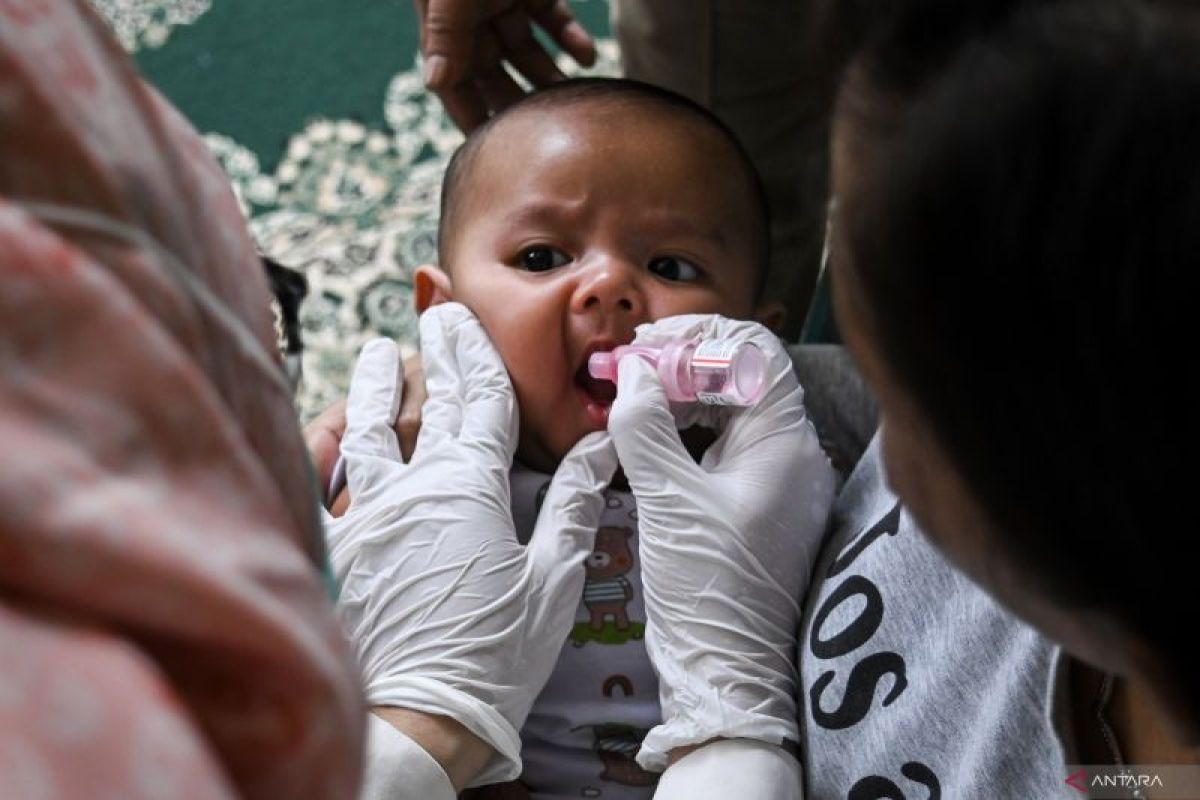
The Baby Vaccination Schedule Guide for Parents is constructed around age based immunologic readiness and disease risk exposure. Each vaccine slot is anchored to developmental physiology.
Chronological Chart Interpretation
Vaccination charts list age in months alongside vaccine names and dose numbers. Dose sequence matters. Missing doses require catch up schedules rather than restarting entire series. The Centers for Disease Control and Prevention provides catch up immunization guidance.
Contraindications and Precautions
Severe allergic reaction to a previous dose is a contraindication to further doses of that specific vaccine. Mild illness such as low grade fever is not typically a reason to delay vaccination.
Immunocompromised infants may require modified schedules. Live attenuated vaccines are avoided in certain immune deficiencies.
Storage and Cold Chain Integrity
Vaccines require strict temperature control. Cold chain failure reduces efficacy. Health facilities monitor storage with calibrated devices to maintain potency.
Documentation and Record Keeping
Accurate record keeping prevents missed or duplicate doses. Immunization cards should be preserved. Electronic registries improve continuity across healthcare providers.
Risk Reduction and Public Health Impact
Baby Vaccination has dramatically reduced mortality from infectious diseases over the past century. Through sustained Baby Vaccination efforts, polio has moved from widespread transmission to near eradication, and measles deaths have declined significantly as a result of global immunization campaigns.
Evidence from modeling studies shows that Baby Vaccination programs prevent millions of deaths each year. Consistent Baby Vaccination coverage lowers overall disease burden, which in turn reduces healthcare costs and limits long term disability.
Declines in Baby Vaccination coverage are strongly associated with the reappearance of outbreaks. Public health surveillance systems monitor these gaps in Baby Vaccination rates, detect emerging clusters, and initiate rapid response immunization campaigns.
Biological Mechanisms of Protection
Active immunity differs from passive immunity. Vaccination induces active immunity, producing endogenous antibodies and memory cells. Passive immunity from maternal antibodies is temporary.
Live attenuated vaccines replicate minimally, eliciting strong cellular and humoral responses. Inactivated vaccines require booster doses to maintain immunity.
Adjuvants enhance immune response by stimulating innate immune pathways. Aluminum salts are common adjuvants with long safety history.
mRNA vaccines, though more widely discussed in adult contexts, represent a platform delivering genetic instructions for antigen production. Pediatric schedules currently rely largely on traditional platforms.
Ethical and Societal Considerations
Vaccination policy balances individual autonomy with community protection. Public health mandates in certain settings aim to maintain herd immunity thresholds.
Equitable vaccine access remains a global challenge. International partnerships coordinate distribution to low resource regions.
Transparency in safety reporting builds public trust. Scientific consensus relies on reproducible evidence and peer reviewed data.
Integrated Timeline Summary
Birth: hepatitis B, tuberculosis in high prevalence areas.
Two months: combination vaccines, pneumococcal, rotavirus.
Four months: second primary doses.
Six months: continued primary series, influenza initiation.
Twelve months: measles, mumps, rubella, varicella, possible hepatitis A.
Fifteen to eighteen months: booster reinforcement.
Baby Vaccination Schedule Guide for Parents functions as a structured preventive strategy aligned with immunological maturation and epidemiological risk. Adherence preserves individual health and collective resilience.