
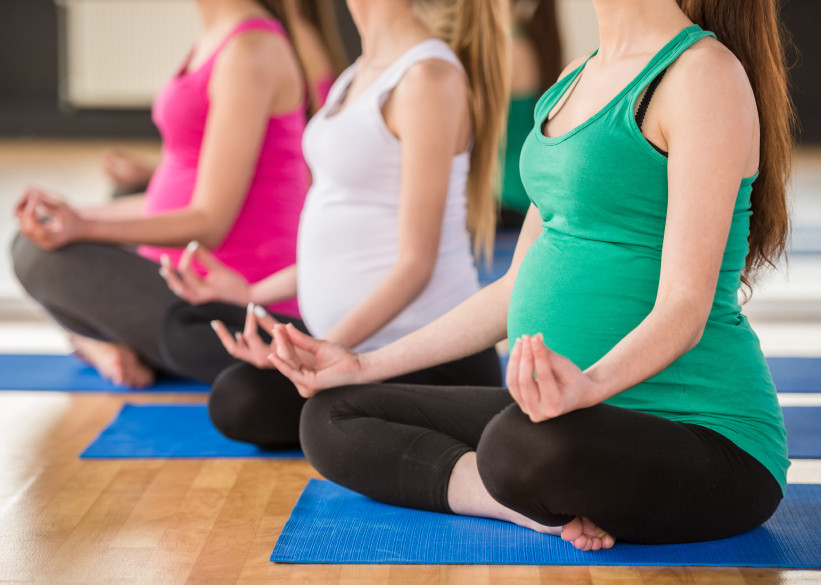
Safe Pregnancy Workout Routine for Every Trimester reflects the dominant search intent around pregnancy workout routine at home, safe pregnancy exercises, first trimester workout, second trimester strength training, third trimester exercises, prenatal yoga routine, pregnancy cardio workout, pelvic floor exercises pregnancy, and core exercises during pregnancy. Exercise during gestation is not aesthetic optimization. It is metabolic regulation, musculoskeletal preservation, circulatory conditioning, and psychological stabilization under hormonal flux. Structured movement supports insulin sensitivity, reduces excessive weight gain, lowers back pain incidence, and improves labor endurance. The framework must adapt to trimester specific physiological shifts.
First Trimester Foundation and Fatigue Management
The first trimester is defined by rapid hormonal escalation, especially progesterone and human chorionic gonadotropin. Fatigue, nausea, and dizziness are common. Training volume must adjust to systemic load. According to the American College of Obstetricians and Gynecologists, at least moderate intensity aerobic activity is generally safe for uncomplicated pregnancies, but intensity must remain conversational rather than exhaustive.
Cardiovascular Adaptation in Early Pregnancy
Blood volume begins expanding early. Resting heart rate increases. Stroke volume rises. These changes alter perceived exertion. Traditional heart rate formulas lose precision because pregnancy modifies baseline cardiovascular metrics. Rate of perceived exertion is more reliable than fixed heart rate targets.
Low impact cardio options dominate early trimester programming. Walking, stationary cycling, and swimming reduce joint stress while maintaining circulation. The buoyancy effect in water reduces gravitational compression and supports venous return. The Mayo Clinic identifies walking and swimming as foundational safe modalities.
Strength Training Parameters
Muscle preservation requires resistance stimulus. However, ligament laxity increases due to relaxin secretion. Joint instability risk rises. Load selection must prioritize control over intensity. Compound movements with stable base positions are preferred. Goblet squats with moderate weight, supported rows, and incline push movements maintain structural integrity without excessive spinal compression.
Breath control is critical. Avoid prolonged breath holding that increases intra abdominal pressure excessively. Controlled exhalation during exertion supports core stability without Valsalva strain.
Core Training Adjustments
Traditional supine abdominal exercises are acceptable early but should transition as pregnancy progresses. Emphasis shifts to transverse abdominis activation and pelvic floor coordination. Diaphragmatic breathing integrates with gentle core engagement. The Cleveland Clinic outlines pelvic floor activation as foundational for bladder control and postpartum recovery.
Managing Nausea and Energy Variability
Training sessions may require fragmentation. Shorter sessions distributed through the week reduce cumulative fatigue. Hydration must remain consistent. Hypoglycemia increases dizziness risk. Light carbohydrate intake before exercise stabilizes energy.
The objective in the first trimester is maintenance, not progression. Volume stability prevents deconditioning without compounding systemic fatigue.
Second Trimester Strength and Stability
The second trimester often presents increased energy and reduced nausea. This period permits structured progression within safe parameters. Center of gravity begins shifting as the uterus expands. Lumbar curvature increases. Core stabilization becomes central.
Resistance Training Structure
Full body strength sessions two to three times weekly preserve lean mass and joint integrity. Exercises should prioritize posterior chain engagement to counter anterior weight distribution. Romanian deadlifts with light to moderate load, step ups, and supported lunges reinforce hip stability.
Avoid supine flat positions for extended durations after mid pregnancy due to potential vena cava compression, which can reduce blood return to the heart. Inclined benches or side lying positions mitigate this risk. The National Health Service advises avoiding exercises that involve lying flat on the back after the first trimester.
Core Integrity and Diastasis Awareness
As the uterus expands, the linea alba stretches. Excessive intra abdominal pressure can worsen abdominal separation known as diastasis recti. Core exercises should focus on controlled anti rotation and anti extension movements such as bird dogs and modified side planks.
Monitoring abdominal doming during exertion provides feedback. Visible midline bulging indicates excessive pressure. Load and intensity must reduce if this occurs.
Cardiovascular Conditioning
Moderate intensity cardio three to five times weekly supports glucose regulation and cardiovascular endurance. Gestational diabetes risk decreases with consistent activity. The Centers for Disease Control and Prevention confirms that physical activity during pregnancy reduces risk of complications including gestational diabetes and preeclampsia.
Interval training can continue at conservative intensities. Avoid maximal efforts. Maintain hydration and temperature regulation. Overheating risk increases due to altered thermoregulation.
Postural Reinforcement
Growing abdominal mass shifts spinal alignment. Strengthening upper back musculature counters forward rounding. Resistance band rows, face pulls, and scapular retraction drills improve thoracic stability.
Hip abductor strengthening prevents pelvic instability. Side lying leg lifts and lateral band walks support pelvic alignment and reduce lower back strain.
Third Trimester Mobility and Circulation

The third trimester prioritizes mobility, circulation, and preparation for labor mechanics. Joint laxity peaks. Balance becomes more challenging. High impact movement decreases. Swelling may increase due to fluid retention.
Low Impact Aerobic Strategy
Walking remains effective. Swimming reduces joint compression and supports circulation. Stationary cycling provides controlled cardiovascular stimulus without balance risk.
Duration may shorten. Frequency can remain consistent. Consistency maintains circulatory efficiency and psychological stability.
Pelvic Floor Coordination
Pelvic floor training shifts from maximal contraction focus to coordination and relaxation control. During labor, the pelvic floor must both contract and release effectively. The Office on Women’s Health emphasizes pelvic floor awareness as part of healthy pregnancy maintenance.
Integrated breathing drills combine diaphragmatic expansion with pelvic floor relaxation. Over tightening can create dysfunction. Balance between strength and release is required.
Mobility Drills for Labor Preparation
Hip mobility exercises such as supported squats, gentle lunges, and pelvic tilts maintain range of motion. Cat cow spinal mobilization supports lumbar comfort. Seated figure four stretches reduce piriformis tension.
Ankle mobility and calf activation support venous return, reducing swelling. Compression stockings may assist circulation if edema increases.
Load Management
External load reduces significantly in late pregnancy. Bodyweight training with controlled tempo is sufficient stimulus. Stability tools such as walls, chairs, or rails enhance balance safety.
The focus transitions from performance metrics to neuromuscular coordination and circulation preservation.
Safe Pregnancy Workout Routine with Yoga, Cardio, and Home Workouts
Search trends show high volume for prenatal yoga routine and pregnancy workout routine at home. Accessibility and adaptability drive engagement.
Prenatal Yoga Principles
Prenatal yoga emphasizes breath control, flexibility, and mental regulation. Poses avoid deep twists that compress the abdomen. Supine positions are modified with props. The American Pregnancy Association explains that prenatal yoga improves flexibility, muscle tone, and relaxation response.
Standing poses improve lower body endurance. Seated hip openers prepare for labor positioning. Controlled transitions prevent dizziness.
Structured Home Circuits
Home workouts can combine squats, incline push movements, resistance band rows, step backs, and bird dogs. Sessions remain thirty to forty minutes. Warm up five to ten minutes. Cool down five minutes.
Equipment requirements remain minimal. Resistance bands, light dumbbells, and a stable chair suffice. Safety depends on stable surfaces and clear space.
Safe Cardio Modalities
Brisk walking outdoors or on treadmill remains primary. Elliptical machines reduce joint stress. Swimming provides full body engagement with minimal impact. Avoid activities with high fall risk such as skiing, horseback riding, or contact sports.
Hydration is non negotiable. Dehydration increases contraction risk. Environmental heat exposure must remain controlled.
Warning Signs and Contraindications

Exercise is contraindicated in certain medical conditions including placenta previa after mid pregnancy, severe anemia, uncontrolled hypertension, significant heart or lung disease, and cervical insufficiency. The American College of Obstetricians and Gynecologists lists specific warning signs to discontinue exercise, including vaginal bleeding, chest pain, amniotic fluid leakage, and decreased fetal movement.
Sudden swelling, persistent headache, or visual disturbance require medical evaluation due to potential hypertensive disorders. Sharp abdominal pain may indicate complications. Exercise must cease immediately if these signs occur.
Self monitoring includes tracking intensity, hydration, perceived exertion, and recovery. Persistent exhaustion indicates overreaching.
Metabolic and Psychological Impact
A Safe Pregnancy Workout Routine enhances insulin sensitivity, limiting excessive gestational weight gain. Through a Safe Pregnancy Workout Routine, repeated muscle contraction increases glucose uptake without relying solely on insulin, which helps reduce the risk of gestational diabetes.
A Safe Pregnancy Workout Routine stimulates endorphin release, contributing to mood stabilization. Consistent participation in a Safe Pregnancy Workout Routine decreases anxiety, improves sleep quality, and promotes circulation that lessens leg cramps and restless discomfort.
A Safe Pregnancy Workout Routine supports bone density maintenance through controlled mechanical loading. While pregnancy is not a phase for aggressive bone development, a Safe Pregnancy Workout Routine helps prevent unnecessary bone loss.
Postpartum Transition Preparation
Consistent prenatal exercise facilitates postpartum recovery. Stronger pelvic floor reduces incontinence risk. Maintained cardiovascular conditioning accelerates endurance restoration.
Core engagement patterns practiced during pregnancy improve awareness during postpartum rehabilitation. However, postpartum return to exercise requires gradual progression and medical clearance.
Integrated Programming Framework
Frequency: three to five days weekly moderate activity.
Intensity: conversational effort using perceived exertion scale.
Duration: twenty to forty minutes depending on trimester and energy.
Mode: low impact cardio plus controlled resistance training.
Focus shift: first trimester maintenance, second trimester strengthening, third trimester mobility and circulation.
Safe Pregnancy Workout Routine for Every Trimester operates on adaptive progression rather than static prescription. Hormonal variability demands responsive adjustment. Movement remains functional, controlled, and circulation focused. Performance metrics are secondary to physiological support. Structured consistency preserves metabolic stability, musculoskeletal integrity, and psychological resilience under gestational change.